Epoxides Ring-Opening Reactions

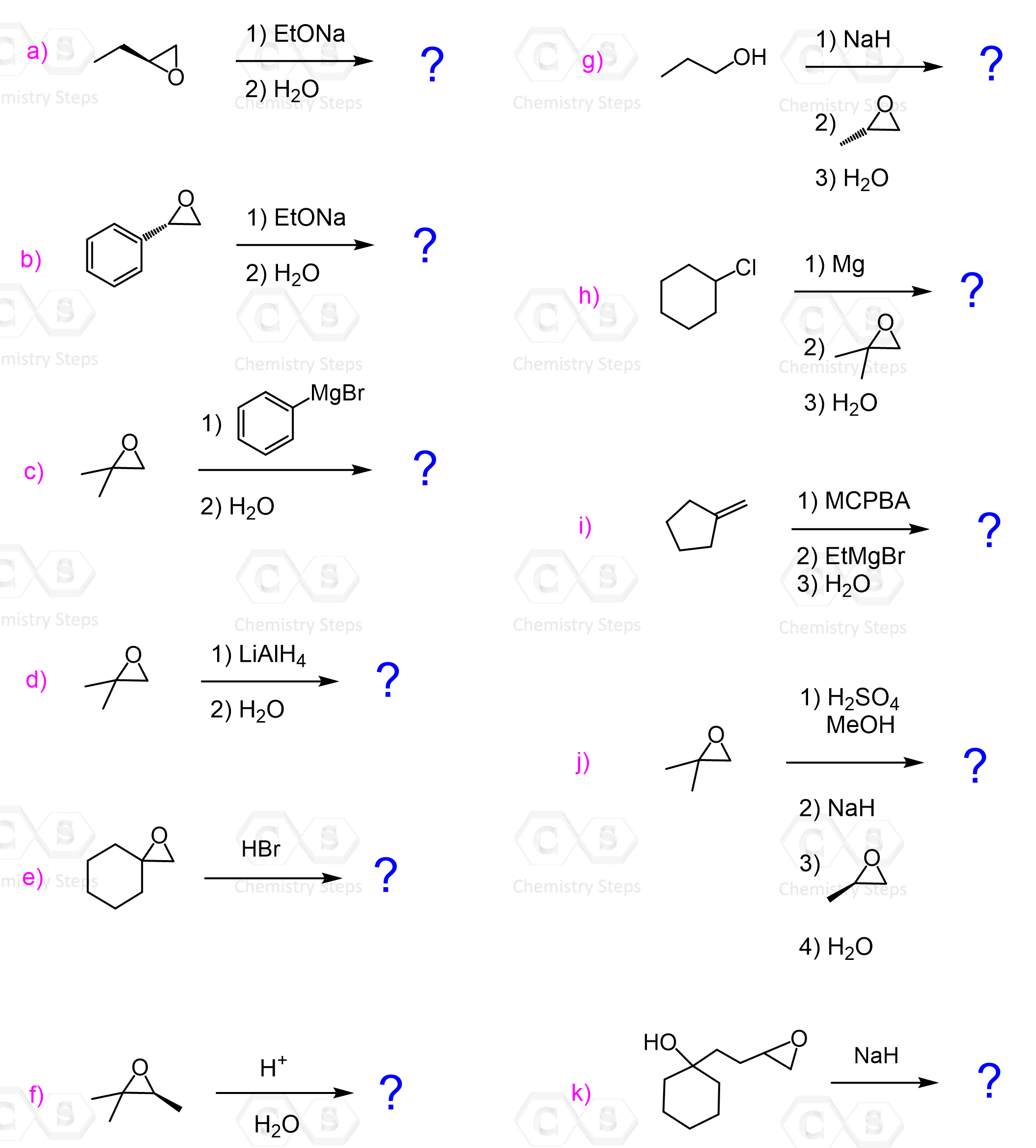
Summary of Ring-Opening Reactions of Epoxides with Strong and Weak Nucleophiles

Epoxides are three-membered rings containing an oxygen atom. They are associated with high ring strain, and this is the basis of their reactivity towards nucleophiles despite lacking a good leaving group. The ring strain is a combination of two destabilizing factors: angle … Read more

Michael Addition Reaction Mechanism

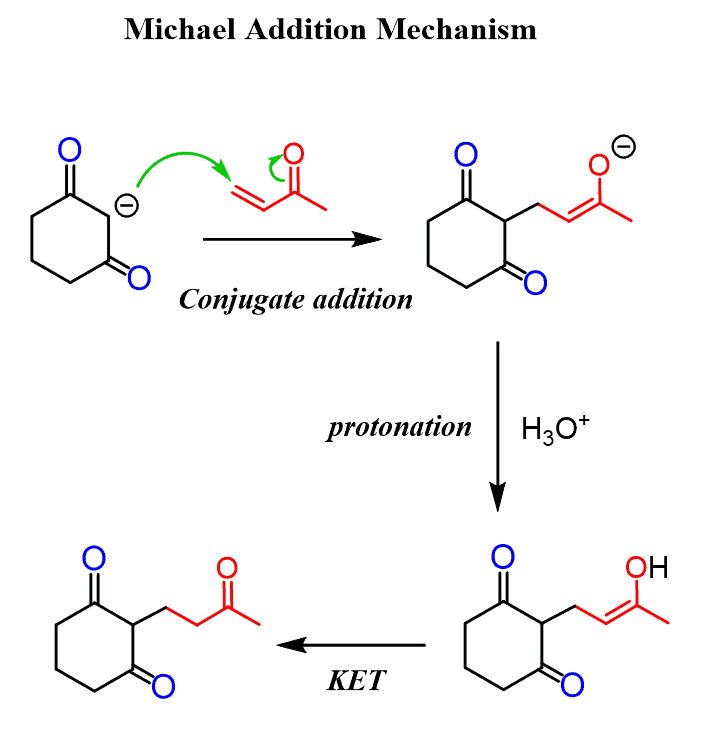
Michael Addition Mechanism

Michael reactions are conjugate-addition reactions of doubly stabilized enolates such as malonic ester, acetoacetic ester, and the like with É‘, β-unsaturated carbonyl compounds:     So, the Michael reaction is a particular type of conjugate addition reaction that É‘, β-unsaturated … Read more

Enolate Alkylation Practice Problems

Enolate alkylation practice problems

In the previous post we discussed the alkylation reactions of enolates, which are one of the most important transformations in carbonyl chemistry. Enolates are typically formed from carbonyl compounds, but they are not limited to aldehydes and ketones. Similar enolate-type … Read more

Amides Preparation and Reactions Summary

amide reactions summary - hydrolysis, reduction, dehydration

Preparation of Amides Amides can be prepared from acyl chlorides, esters, and carboxylic acids. The most straightforward should be the reaction with acid chlorides since they are the most reactive carboxylic acid derivatives, and amines are good nucleophiles too. This … Read more