Synthesis of Sertraline

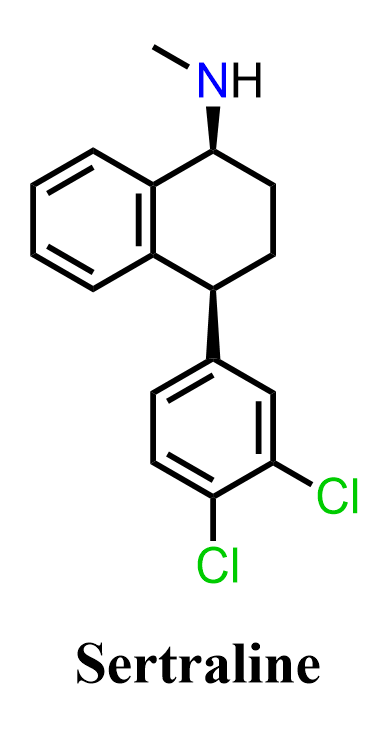
Sertraline is a selective serotonin reuptake inhibitor (SSRI) widely used in the treatment of depression, anxiety disorders, and related conditions. Structurally, it is a substituted tetralin derivative, featuring a fused bicyclic aromatic system, a dichlorinated phenyl ring, and a secondary … Read more

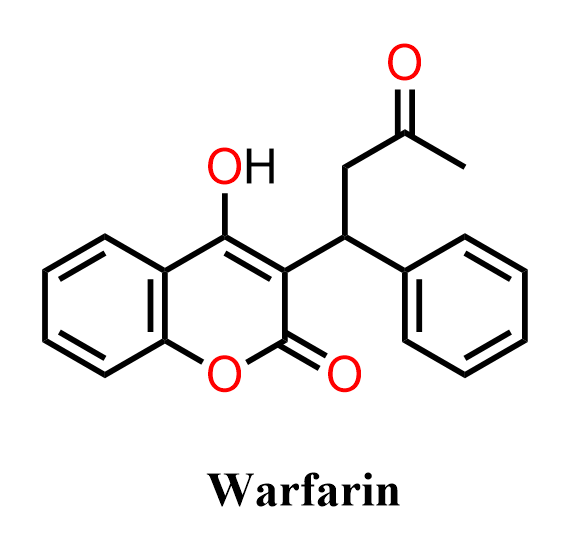
Synthesis of Warfarin

Warfarin is an anticoagulant medication widely used to prevent and treat blood clots, including conditions such as deep vein thrombosis and pulmonary embolism. Chemically, it is a coumarin derivative, featuring a 4-hydroxycoumarin core linked to a substituted side chain. Its … Read more

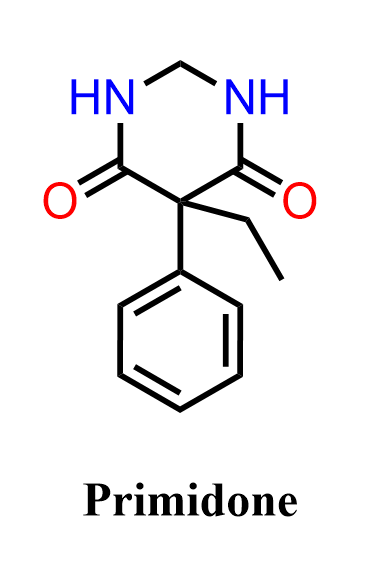
Synthesis of Primidone

Primidone is an anticonvulsant (antiepileptic) medication used primarily to treat seizure disorders, including generalized tonic-clonic and partial seizures. Chemically, it is a barbiturate-related compound (a deoxybarbiturate), meaning it is structurally similar to barbiturates but has a slightly different pharmacological profile. … Read more

Synthesis of Pethidine aka Meperidine

Pethidine, also known as meperidine and marketed under the name Demerol, is a fully synthetic opioid of the phenylpiperidine class. Unlike morphine-based analgesics, its structure arises entirely from laboratory synthesis, making it a classic example of how multiple fundamental organic … Read more

Decarboxylation

Decarboxylation Mechanism

Decarboxylation is the loss of carbon dioxide upon heating, typically characteristic of carboxylic acids with a β-carbonyl group. These are most often beta-keto acids, malonic acid, or its derivatives:     Carboxylic acids by themselves are very stable and do … Read more

Michael Addition Reaction Mechanism

Michael Addition Mechanism

Michael reactions are conjugate-addition reactions of doubly stabilized enolates such as malonic ester, acetoacetic ester, and the like with ɑ, β-unsaturated carbonyl compounds:     So, the Michael reaction is a particular type of conjugate addition reaction that ɑ, β-unsaturated … Read more