Synthesis of Methylphenidate (Ritalin)

Ritalin Methylphenidate

Ritalin is a central nervous system stimulant used primarily in the treatment of attention-deficit/hyperactivity disorder (ADHD) and narcolepsy. It acts by increasing dopamine and norepinephrine levels in the brain through inhibition of their reuptake. Structurally, Ritalin contains a phenyl ring … Read more
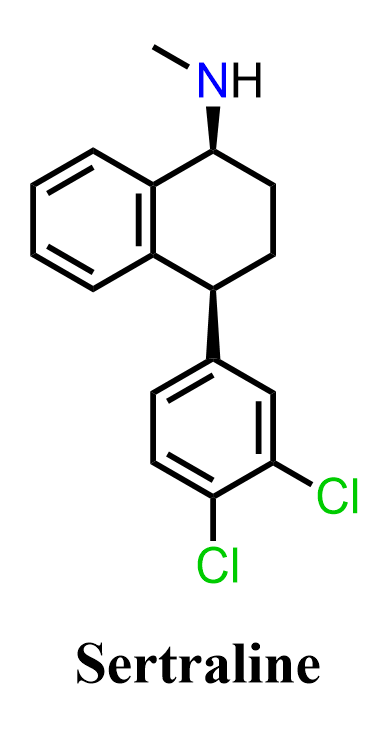
Synthesis of Sertraline

Sertraline is a selective serotonin reuptake inhibitor (SSRI) widely used in the treatment of depression, anxiety disorders, and related conditions. Structurally, it is a substituted tetralin derivative, featuring a fused bicyclic aromatic system, a dichlorinated phenyl ring, and a secondary … Read more

Synthesis of Prozac (Fluoxetine)

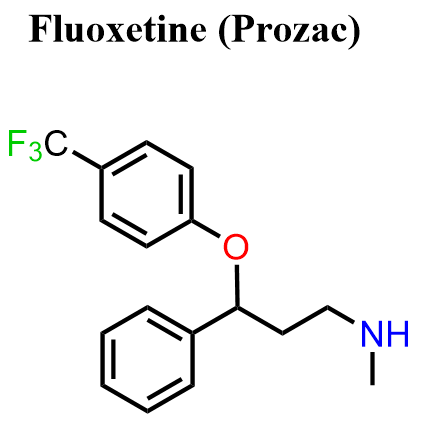
Fluoxetine (Prozac)

Prozac (Fluoxetine) is a widely used antidepressant belonging to the class of selective serotonin reuptake inhibitors (SSRIs). It increases serotonin levels in the brain by inhibiting its reabsorption, which helps improve mood and treat depression, anxiety disorders, and OCD.   … Read more

Decarboxylation

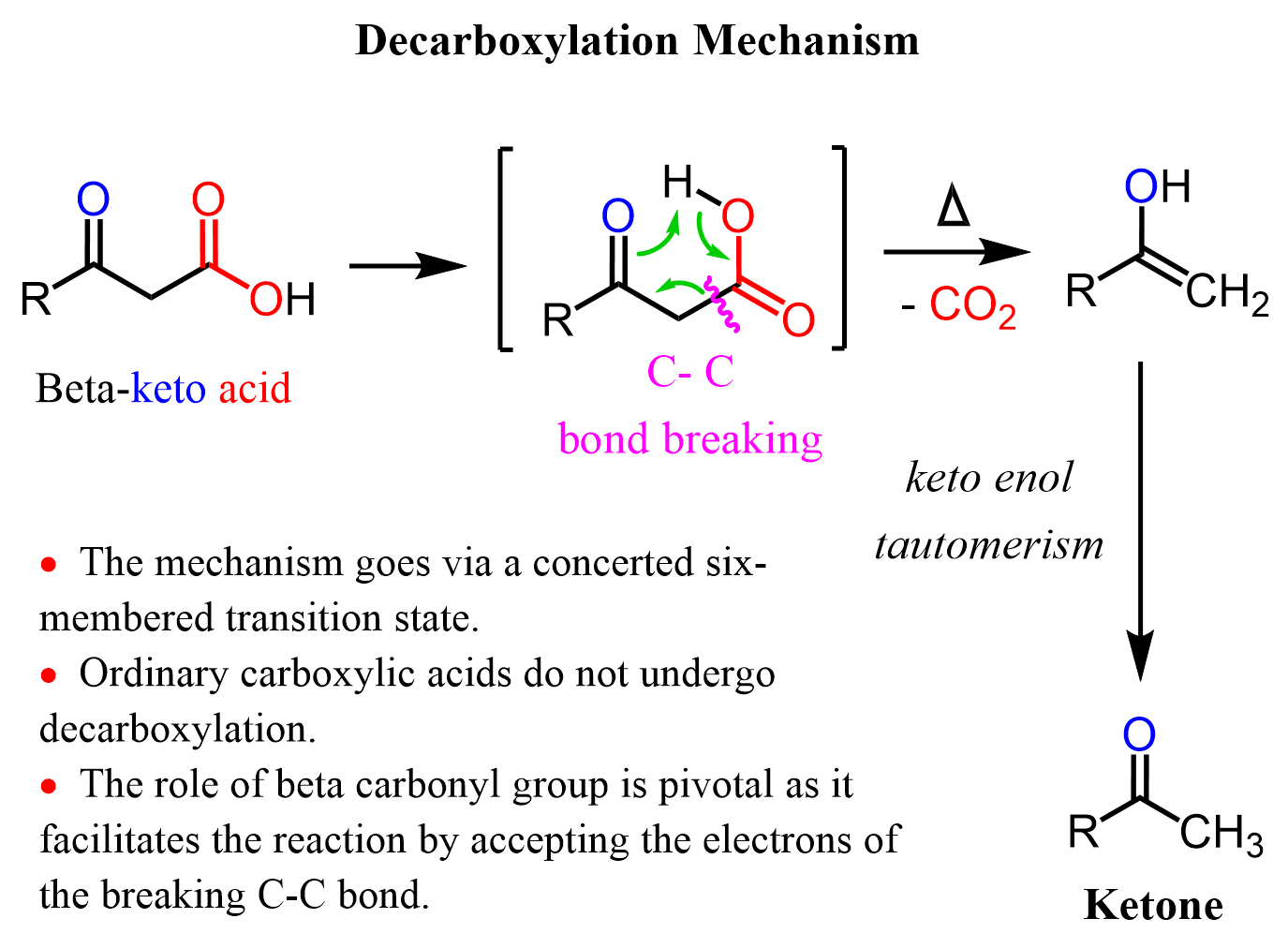
Decarboxylation Mechanism

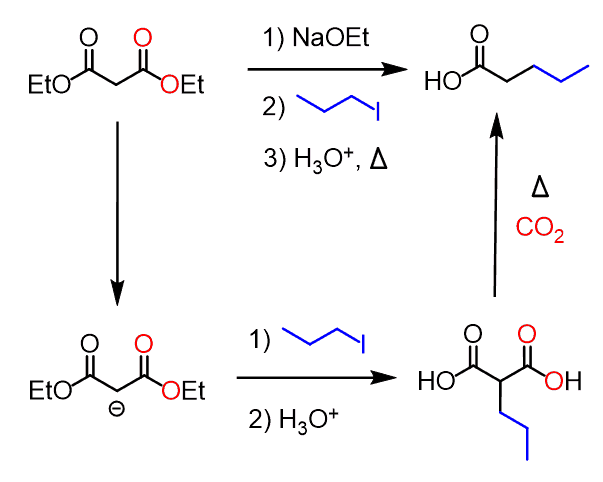
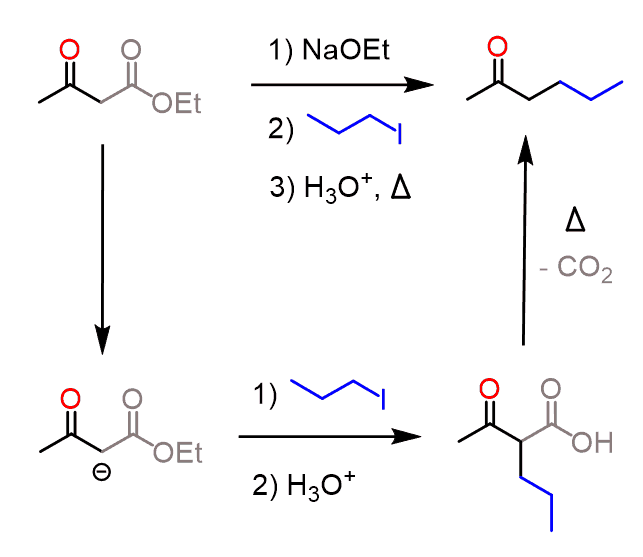
Decarboxylation is the loss of carbon dioxide upon heating, typically characteristic of carboxylic acids with a β-carbonyl group. These are most often beta-keto acids, malonic acid, or its derivatives:     Carboxylic acids by themselves are very stable and do … Read more

Michael Addition Reaction Mechanism

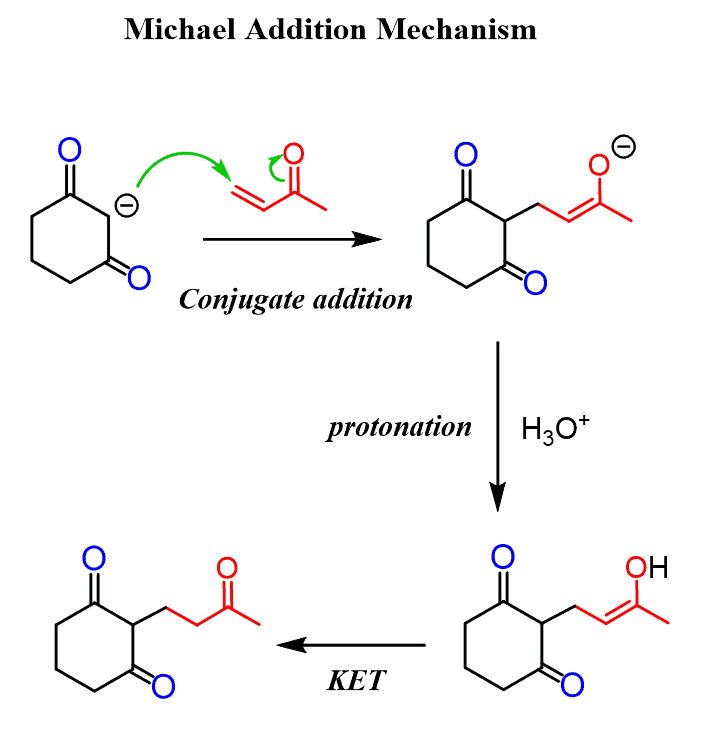
Michael Addition Mechanism

Michael reactions are conjugate-addition reactions of doubly stabilized enolates such as malonic ester, acetoacetic ester, and the like with ɑ, β-unsaturated carbonyl compounds:     So, the Michael reaction is a particular type of conjugate addition reaction that ɑ, β-unsaturated … Read more