Synthesis of Albuterol

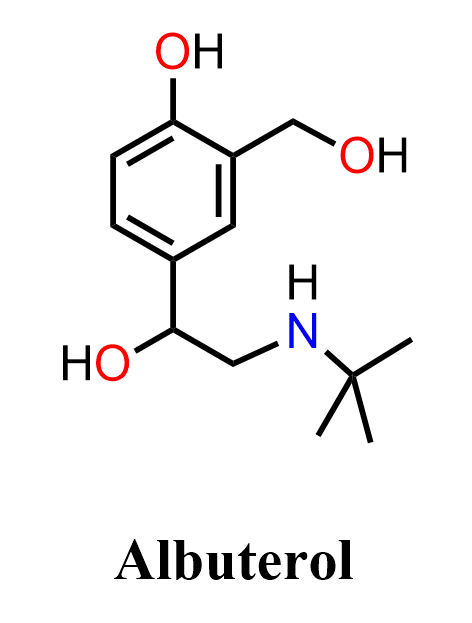
Albuterol

Albuterol is a short-acting β2-adrenergic receptor agonist widely used in the treatment of asthma and other conditions involving bronchospasm. Structurally, it is a substituted phenethylamine derivative, featuring a resorcinol (1,3-dihydroxybenzene) ring, a β-hydroxylated side chain, and a tert-butyl-substituted amine. Its … Read more

Synthesis of Tamoxifen

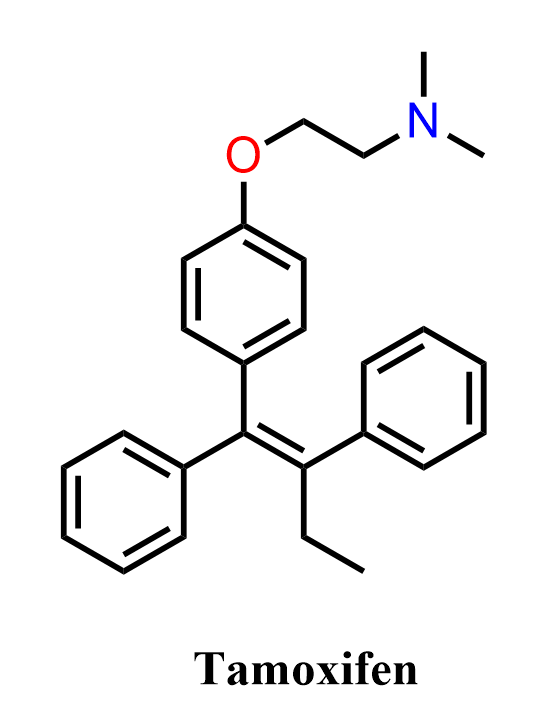
Tamoxifen

Tamoxifen is a selective estrogen receptor modulator (SERM) widely used in the treatment and prevention of estrogen receptor–positive breast cancer. Structurally, it is a triphenylethylene derivative, consisting of a substituted alkene framework connecting three aromatic rings, along with a basic side chain. … Read more

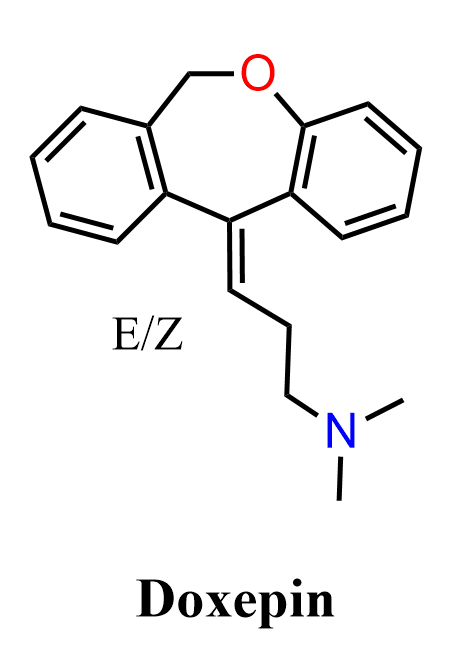
Synthesis of Doxepin

doxepin

Doxepin is a tricyclic antidepressant widely used in the treatment of depression, anxiety disorders, and insomnia. It belongs to a class of drugs characterized by a three-ring system, consisting of two benzene rings fused to a central seven-membered ring, with … Read more

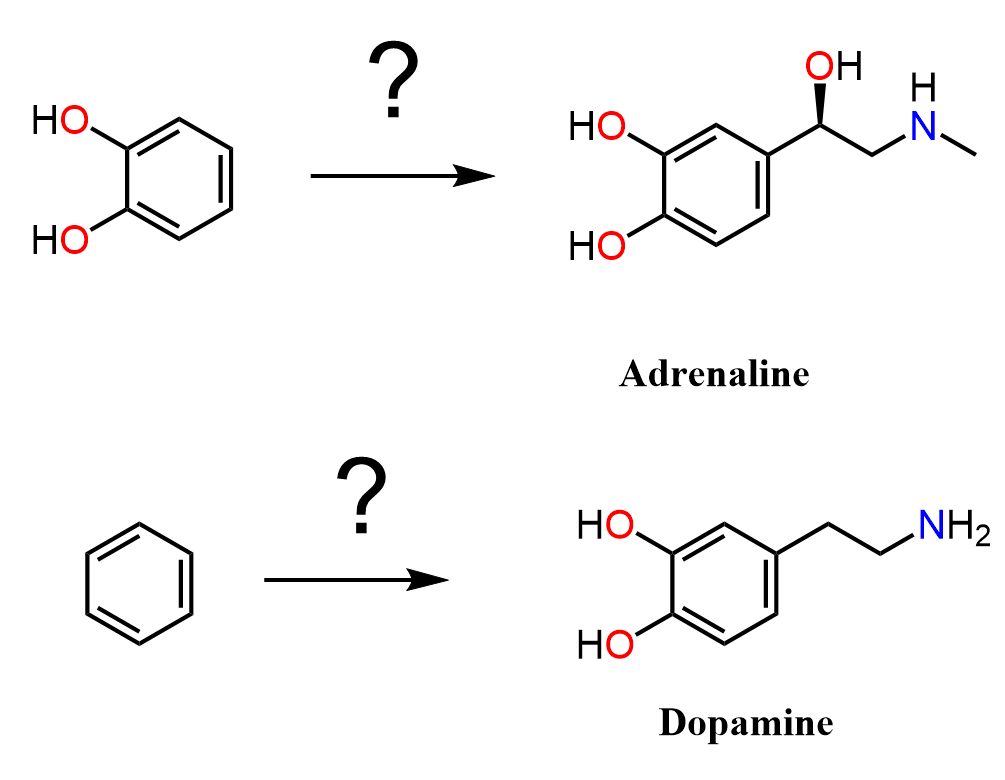
Catechol Chemistry From Phenols to Adrenaline, Dopamine, and Ecstasy

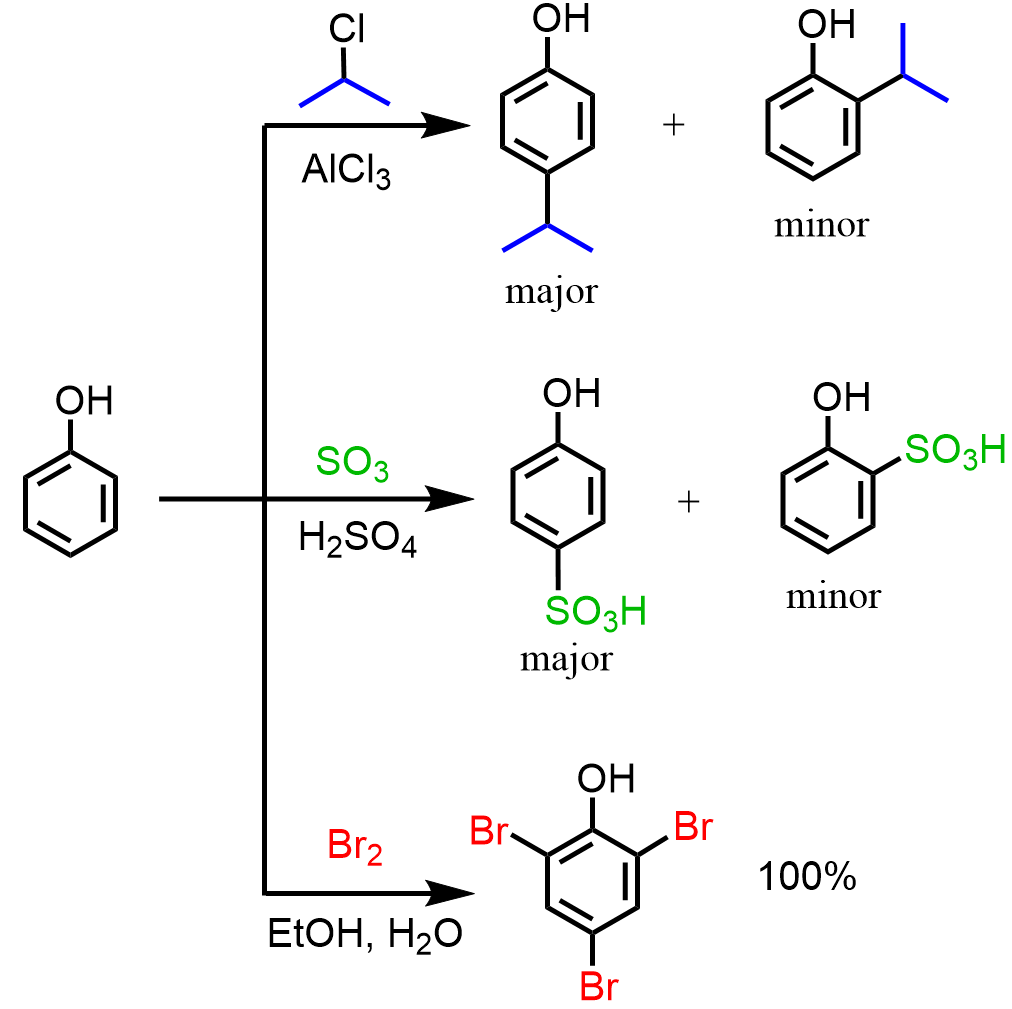
Phenol is the simplest member of this family of compounds. It consists of a benzene ring bearing a single hydroxyl group, and many important aromatic compounds can be viewed as derivatives of phenol. As more hydroxyl groups are introduced onto … Read more

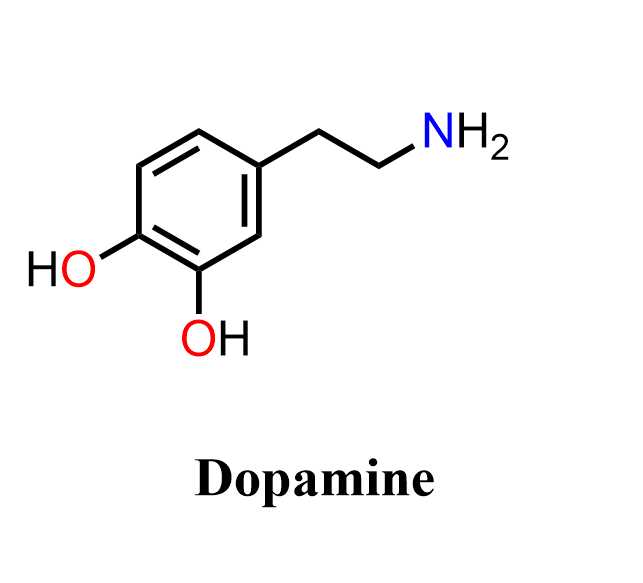
Synthesis of Dopamine

Dopamine is a naturally occurring catecholamine neurotransmitter that plays a central role in the brain’s reward, motivation, and motor control pathways. It is also an important pharmaceutical target, as its levels and receptor activity are critical in the treatment of … Read more

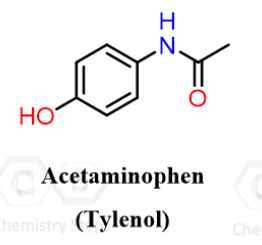
Synthesis of Acetaminophen (Tylenol)

Acetaminophen (paracetamol, Tylenol) is a widely used analgesic and antipyretic that reduces pain and fever by inhibiting prostaglandin synthesis in the central nervous system. Its structure features a phenolic hydroxyl group and an amide functionality, making it a simple yet … Read more