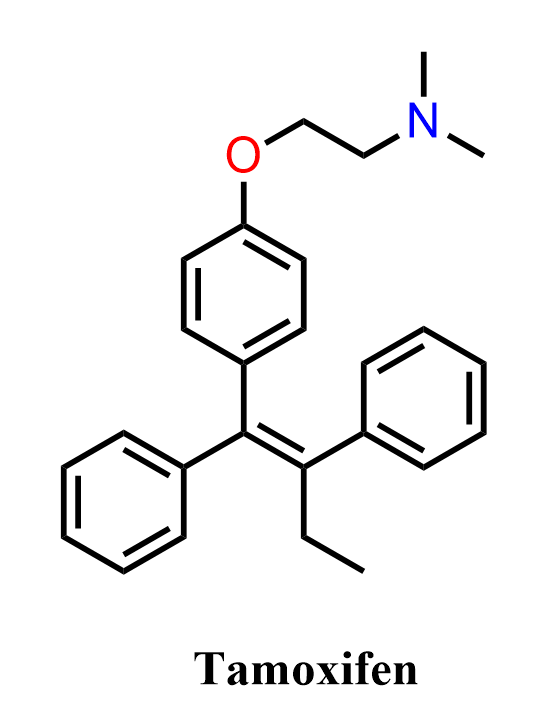
Synthesis of Tamoxifen

Tamoxifen

Tamoxifen is a selective estrogen receptor modulator (SERM) widely used in the treatment and prevention of estrogen receptor–positive breast cancer. Structurally, it is a triphenylethylene derivative, consisting of a substituted alkene framework connecting three aromatic rings, along with a basic side chain. … Read more
Synthesis of Risperidone

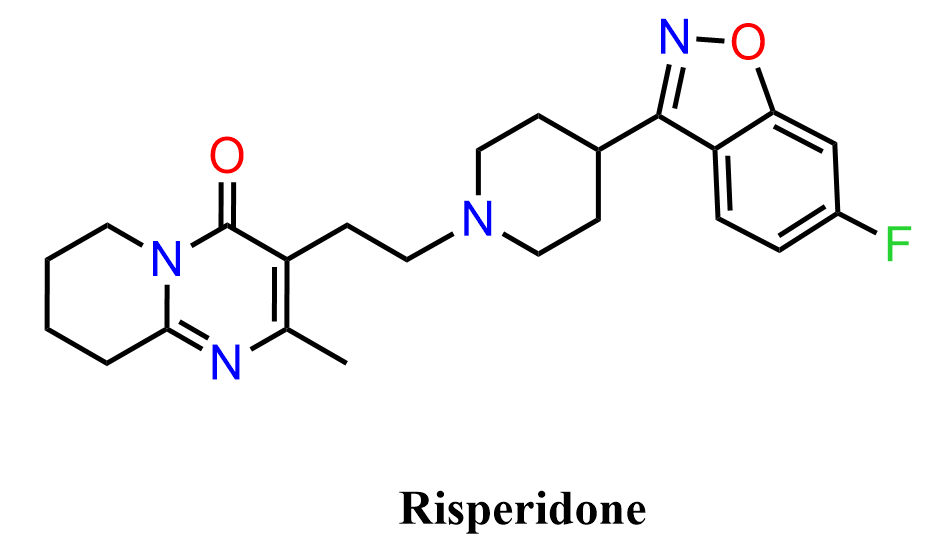
Risperidone is an atypical antipsychotic medication widely used in the treatment of schizophrenia, bipolar disorder, and irritability associated with autism spectrum disorder. It belongs to a class of drugs known as second-generation antipsychotics, which act primarily by modulating dopamine (D₂) … Read more

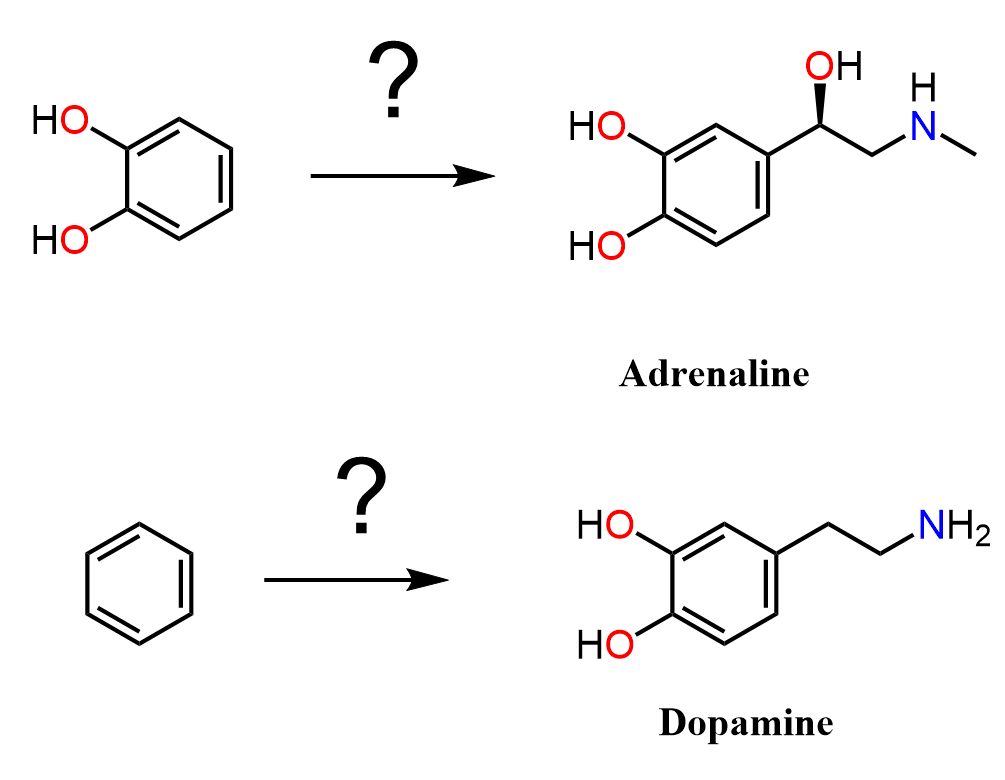
Catechol Chemistry From Phenols to Adrenaline, Dopamine, and Ecstasy

Phenol is the simplest member of this family of compounds. It consists of a benzene ring bearing a single hydroxyl group, and many important aromatic compounds can be viewed as derivatives of phenol. As more hydroxyl groups are introduced onto … Read more

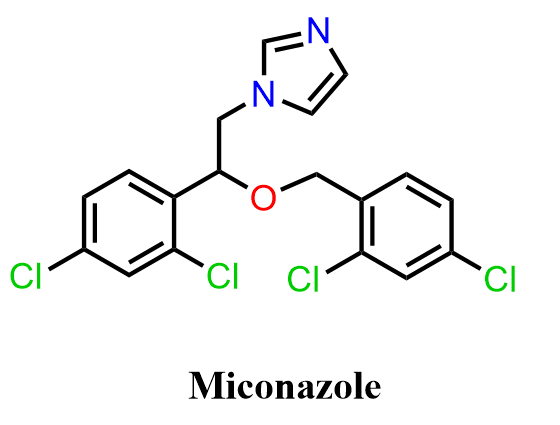
Synthesis of Miconazole

Miconazole, an antifungal medication belonging to the azole class and specifically the imidazole subclass, is used to treat a variety of superficial fungal infections, including ringworm, athlete’s foot, jock itch, and yeast infections of the skin or vagina. It is … Read more

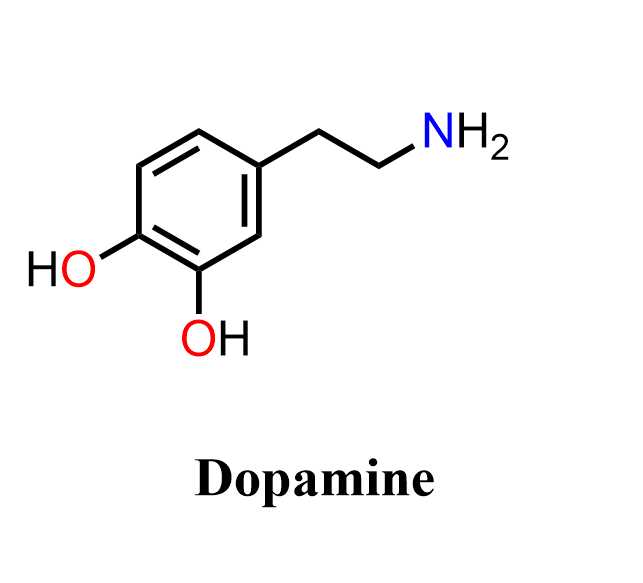
Synthesis of Dopamine

Dopamine is a naturally occurring catecholamine neurotransmitter that plays a central role in the brain’s reward, motivation, and motor control pathways. It is also an important pharmaceutical target, as its levels and receptor activity are critical in the treatment of … Read more

Reaction Map of Aromatic Compounds

Conversions Reaction Map of Aldehydes

This content is for registered users only. Click here to Register! By joining Chemistry Steps, you will gain instant access to the answers and solutions for all the Practice Problems, including over 40 hours of problem-solving videos, Multiple-Choice Quizzes, Puzzles, Reaction … Read more

Decarboxylation

Decarboxylation Mechanism

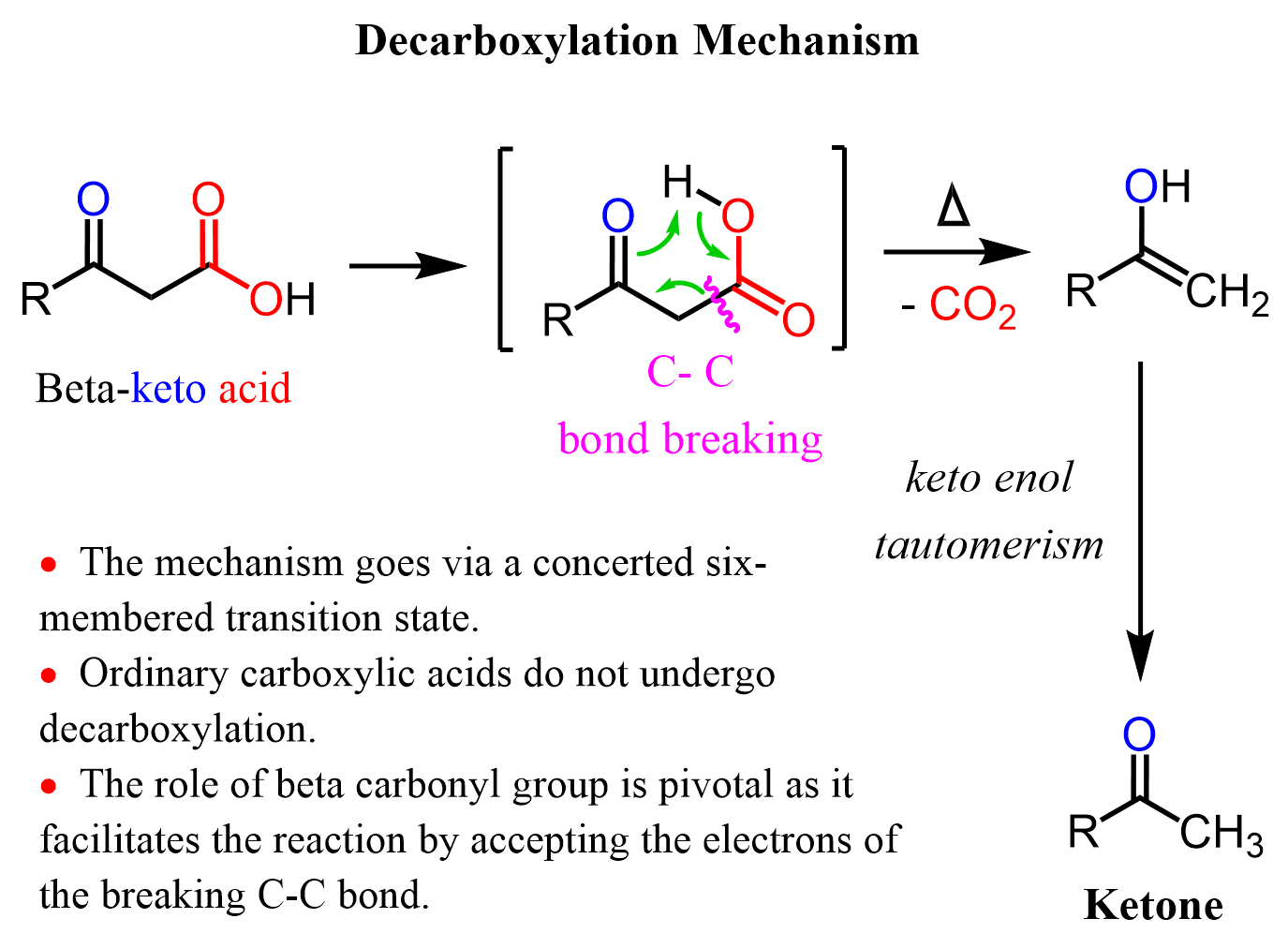
Decarboxylation is the loss of carbon dioxide upon heating, typically characteristic of carboxylic acids with a β-carbonyl group. These are most often beta-keto acids, malonic acid, or its derivatives:     Carboxylic acids by themselves are very stable and do … Read more

Reactions of Amines Practice Problems

Reactions of Amines Choose Reagents Practice Problems

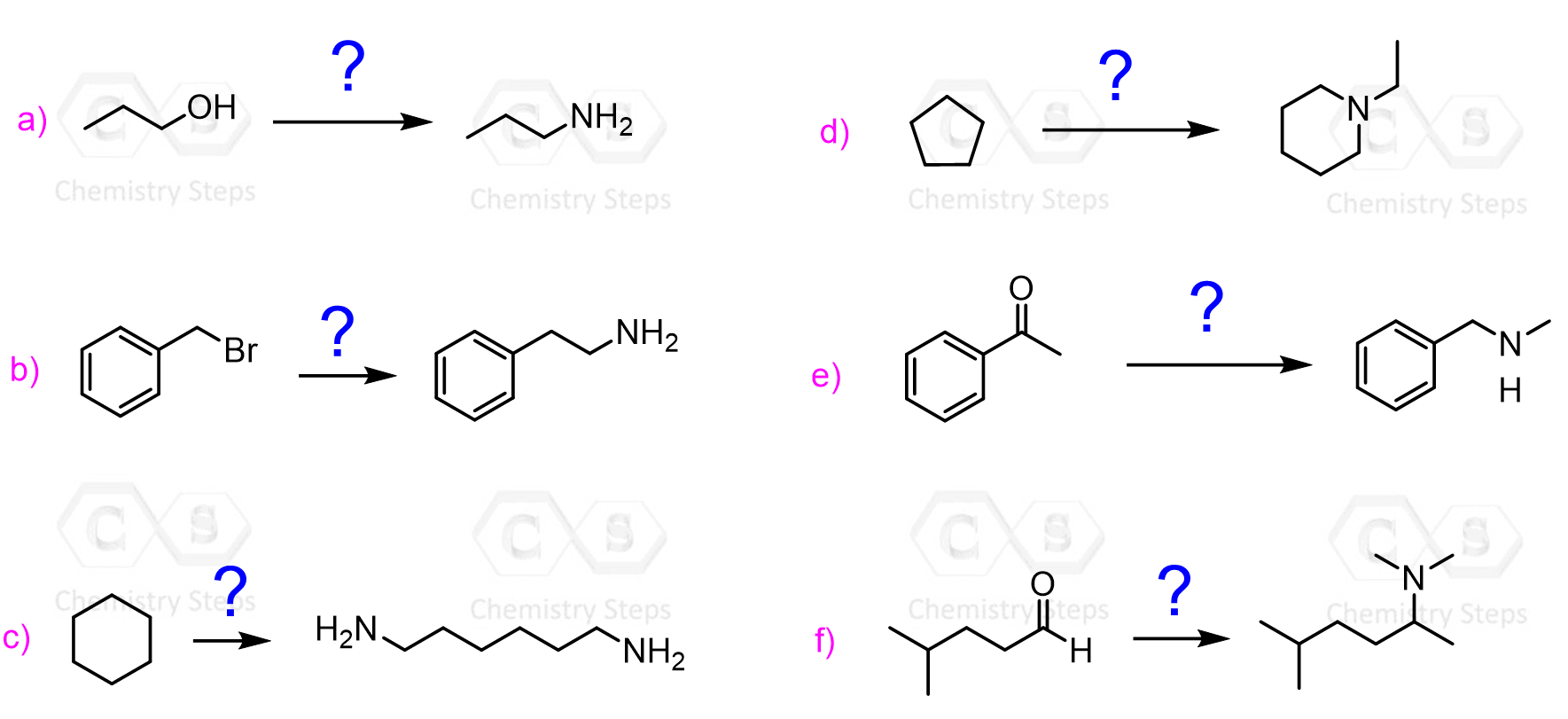
In the following practice problems, the reactions and different ways of preparing amines will be discussed.  Keep in mind that aside from the reactions specifically related to amines, such as the Gabriel amine synthesis, there are transformations that will require … Read more