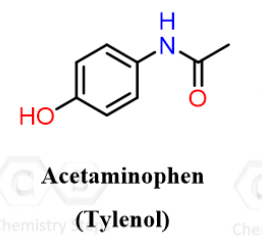
Synthesis of Acetaminophen (Tylenol)

Acetaminophen (paracetamol, Tylenol) is a widely used analgesic and antipyretic that reduces pain and fever by inhibiting prostaglandin synthesis in the central nervous system. Its structure features a phenolic hydroxyl group and an amide functionality, making it a simple yet … Read more

Synthesis of Lidocaine

Lidocaine is a widely used local anesthetic and antiarrhythmic drug that works by blocking voltage-gated sodium channels, preventing nerve signal transmission. Its structure contains both an aromatic amide and a tertiary amine side chain, making it an excellent example of … Read more

Synthesis of Diazepam

diazepam

Diazepam (Valium) is a widely used benzodiazepine medication prescribed for anxiety disorders, muscle spasms, seizures, and insomnia. Its structure features a fused benzodiazepine ring system, making it an excellent example of how heterocycles are constructed through sequential functional-group transformations. In … Read more

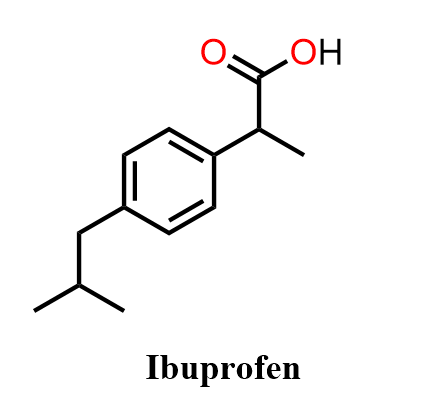
Synthesis of Ibuprofen

Ibuprofen, the active ingredient in brands such as Advil, is a widely used non-steroidal anti-inflammatory drug (NSAID) that reduces pain, fever, and inflammation by inhibiting the cyclooxygenase (COX) enzymes responsible for prostaglandin synthesis. It is one of the most common … Read more

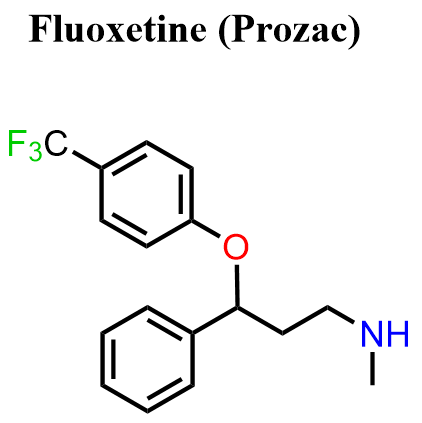
Synthesis of Prozac (Fluoxetine)

Fluoxetine (Prozac)

Prozac (Fluoxetine) is a widely used antidepressant belonging to the class of selective serotonin reuptake inhibitors (SSRIs). It increases serotonin levels in the brain by inhibiting its reabsorption, which helps improve mood and treat depression, anxiety disorders, and OCD.   … Read more

Synthesis and Reactions of Lactones and Lactams

Lactones through Intramolecular Fischer esterification

In this post, we will discuss and show the mechanisms of some important reactions of lactones and lactams, such as their preparation, acid- and base-catalyzed hydrolysis, and reduction by LiAlH4. We will also go over the Grignard reaction of lactones. … Read more