Synthesis of Medazepam

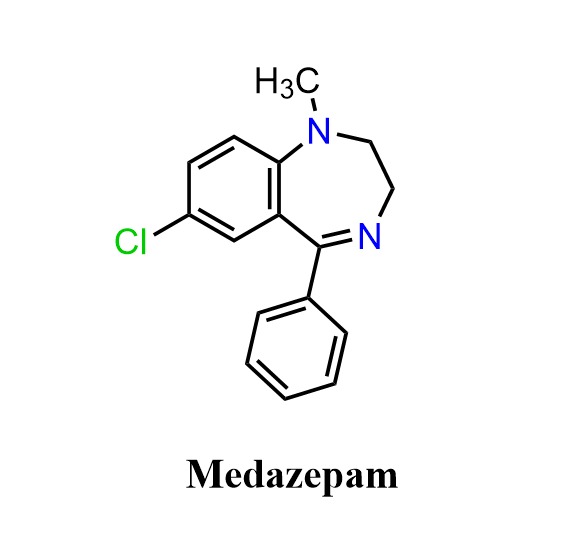
Medazepam

Medazepam is a benzodiazepine derivative used for its anxiolytic, anticonvulsant, sedative, and skeletal muscle relaxant properties. It has been marketed in various countries under several brand names, including Azepamid, Nobrium, Tranquirax (when combined with bevonium), Rudotel, Raporan, Ansilan, and Mezapam. … Read more

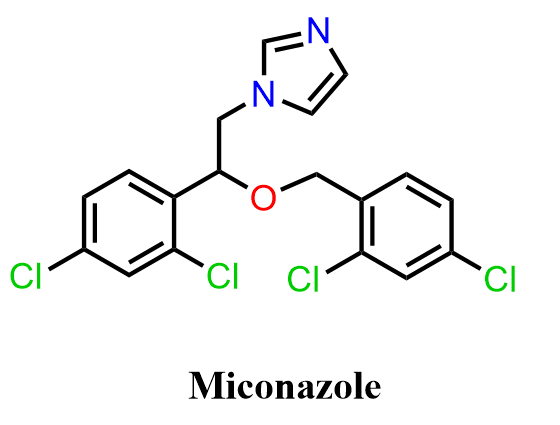
Synthesis of Miconazole

Miconazole, an antifungal medication belonging to the azole class and specifically the imidazole subclass, is used to treat a variety of superficial fungal infections, including ringworm, athlete’s foot, jock itch, and yeast infections of the skin or vagina. It is … Read more

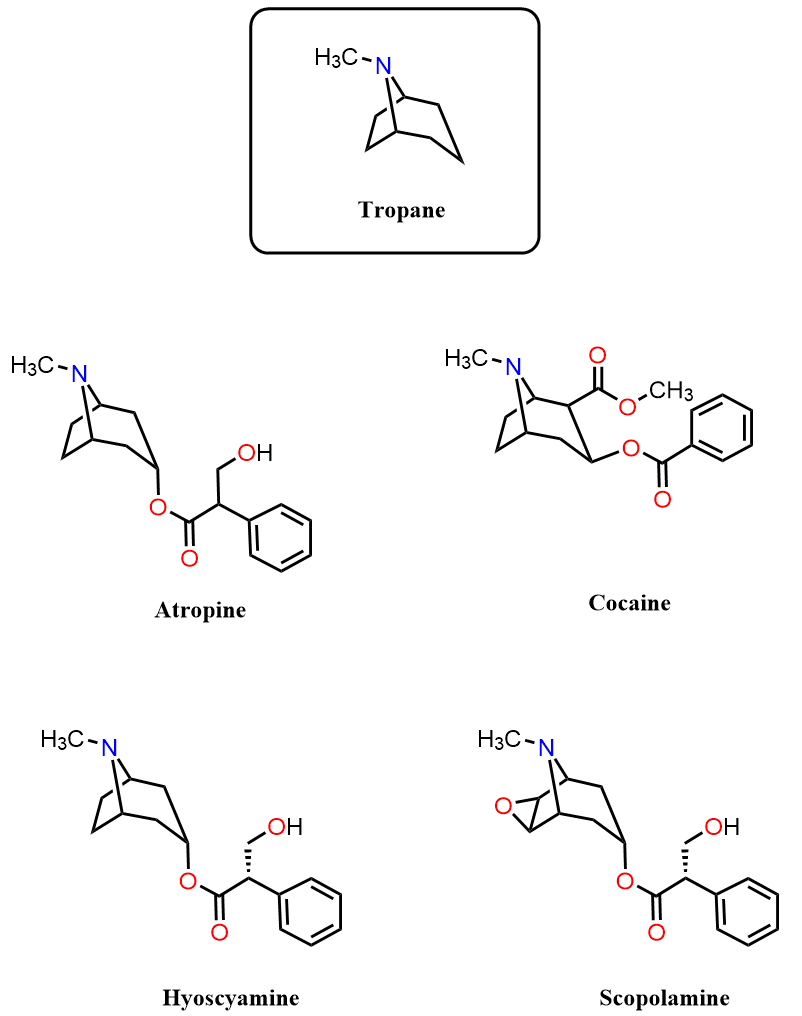
Tropane Alkaloids and the Synthesis of Atropine

tropane alkaloids atropine cocaine

In today’s post, we will discuss the structures of some common Tropane Alkaloids, such as Atropine, Hyoscyamine, Scopolamine, and Cocaine. These naturally occurring compounds share the bicyclic tropane framework and play major roles in pharmacology, medicinal chemistry, and organic synthesis … Read more

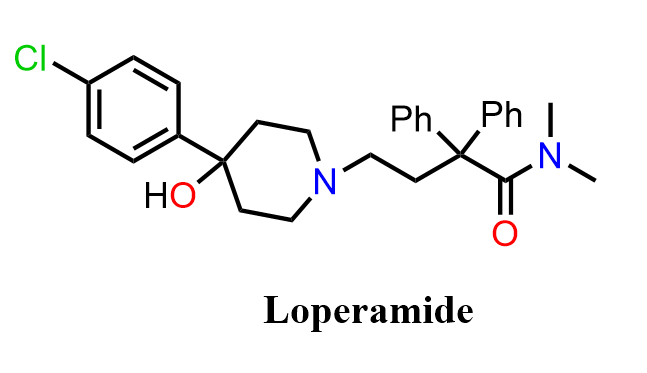
Synthesis of Loperamide

Loperamide is an antidiarrheal medication best known under the brand name Imodium. It works by activating μ-opioid receptors in the intestinal tract, which slows down gut movement and reduces the frequency of bowel movements. Unlike other opioids, Loperamide does not … Read more

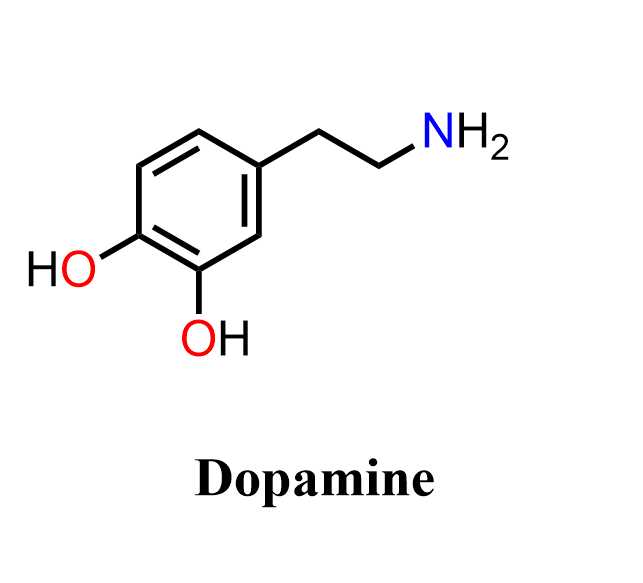
Synthesis of Dopamine

Dopamine is a naturally occurring catecholamine neurotransmitter that plays a central role in the brain’s reward, motivation, and motor control pathways. It is also an important pharmaceutical target, as its levels and receptor activity are critical in the treatment of … Read more

Synthesis of Pethidine aka Meperidine

Pethidine, also known as meperidine and marketed under the name Demerol, is a fully synthetic opioid of the phenylpiperidine class. Unlike morphine-based analgesics, its structure arises entirely from laboratory synthesis, making it a classic example of how multiple fundamental organic … Read more

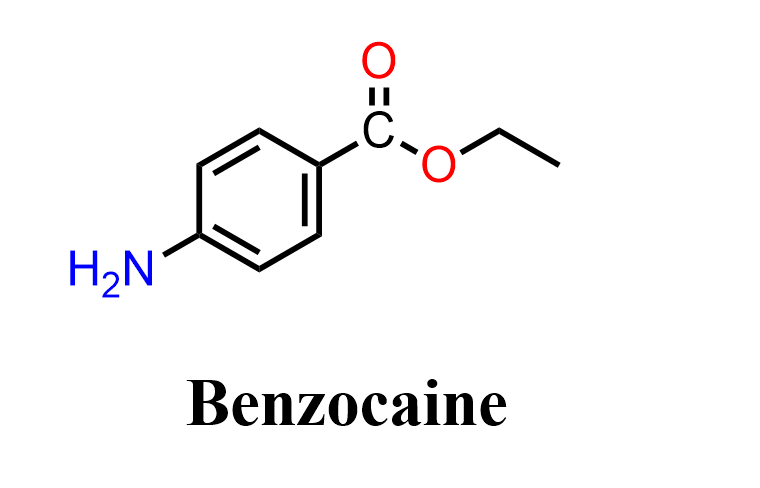
Synthesis of Benzocaine

Benzocaine is a classic local anesthetic widely discussed in organic chemistry because its synthesis showcases foundational aromatic substitution and ester-forming reactions. Its structure is built on a para-aminobenzoate framework, and preparing it typically involves introducing the amino group onto the … Read more

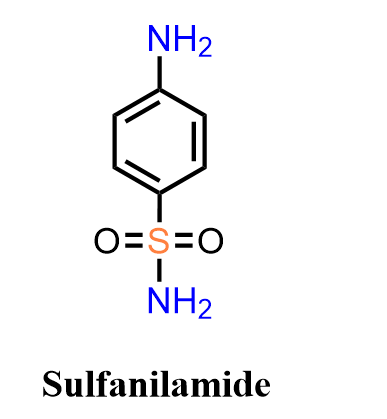
Synthesis of Sulfanilamide

Sulfanilamide, one of the earliest synthetic antimicrobial agents, holds a foundational place in medicinal chemistry because it introduced the concept of selectively inhibiting bacterial metabolism. As a member of the sulfonamide class, its structure mimics p-aminobenzoic acid (PABA), allowing it … Read more

Synthesis of Acetaminophen (Tylenol)

Acetaminophen (paracetamol, Tylenol) is a widely used analgesic and antipyretic that reduces pain and fever by inhibiting prostaglandin synthesis in the central nervous system. Its structure features a phenolic hydroxyl group and an amide functionality, making it a simple yet … Read more

Synthesis of Lidocaine

Lidocaine is a widely used local anesthetic and antiarrhythmic drug that works by blocking voltage-gated sodium channels, preventing nerve signal transmission. Its structure contains both an aromatic amide and a tertiary amine side chain, making it an excellent example of … Read more